The Canadian Gourmet Mushroom Market: Trends, Demand & Opportunities in 2026
Market data, pricing trends, consumer demand, and where the opportunities lie for Canadian growers in 2026.
The Canadian gourmet mushroom market is booming. Driven by consumer demand for plant-based protein, functional foods, local produce, and culinary innovation, specialty mushrooms have moved from niche health food store items to mainstream grocery staples. For existing and aspiring mushroom farmers, this market growth represents an extraordinary opportunity. This in-depth analysis examines the current state of the Canadian gourmet mushroom market, species-specific demand trends, regional variations, and what the future holds for growers positioning themselves in this rapidly expanding industry.
The Canadian Mushroom Market: Size and Growth
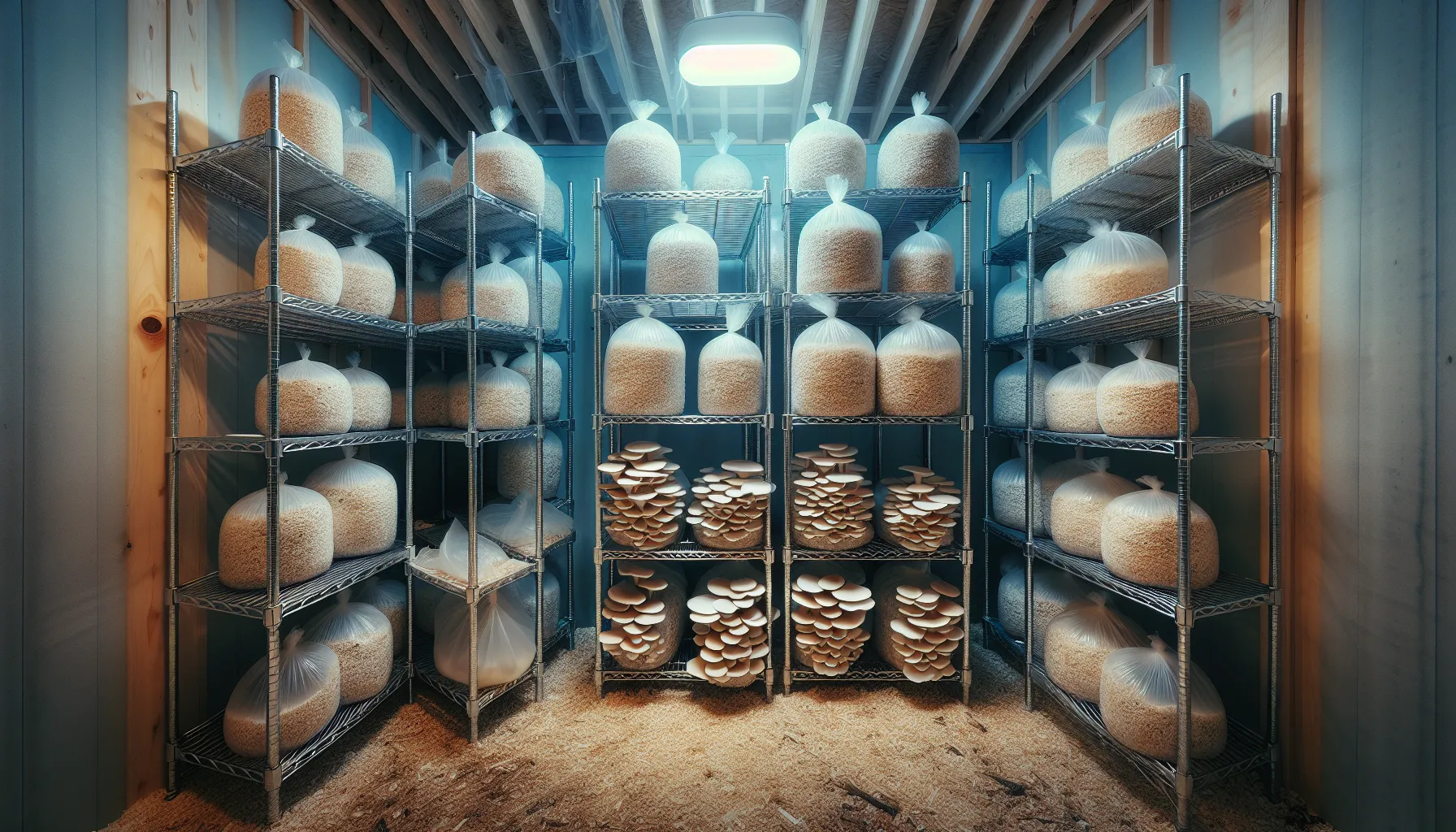
Canada’s overall mushroom market—including common white button, cremini, and portobello mushrooms as well as gourmet and specialty varieties—is valued at approximately $1.2 billion CAD annually at the retail level. The gourmet and specialty segment, which includes species like oyster, shiitake, lion’s mane, king oyster, maitake, enoki, and others, represents the fastest-growing portion of this market.
Industry analysts estimate that the Canadian gourmet mushroom segment has been growing at 10–15% annually over the past five years, significantly outpacing the overall food market growth rate of 3–5%. This growth is driven by multiple converging trends that show no signs of slowing:
- Health and wellness: Consumers increasingly view mushrooms as functional foods with specific health benefits, not just ingredients.
- Plant-based movement: Mushrooms are a cornerstone of plant-based cuisine, valued for their umami flavour and meaty texture.
- Local food: The buy-local movement continues to accelerate, with consumers willing to pay premium prices for Canadian-grown products.
- Culinary exploration: Canadian consumers, particularly in urban centres, are more adventurous with food than ever before, driven by food media, social media, and a diverse multicultural population.
- Sustainability: Mushroom farming is one of the most environmentally sustainable forms of food production, aligning with growing consumer concern about the environmental impact of their food choices.
The Import Replacement Opportunity
One of the most compelling market dynamics for Canadian mushroom growers is the significant import replacement opportunity. Canada currently imports a substantial volume of specialty mushrooms, primarily from the United States, China, and South Korea. These imports include fresh shiitake, enoki, king oyster, and other gourmet varieties that could be—and increasingly are—grown domestically.
Statistics Canada trade data shows that Canada imports approximately $80–$120 million worth of fresh and processed mushrooms annually. A significant portion of this consists of specialty varieties that Canadian growers can produce. The opportunity is clear: every dollar of imported gourmet mushrooms represents a potential dollar of revenue for Canadian mushroom farmers.
Several factors are accelerating the shift from imports to domestic production:
- Freshness premium: Domestically grown mushrooms arrive at retail in 1–2 days versus 5–10 days for imports. Fresh mushrooms look better, taste better, and have a longer shelf life for consumers.
- Supply chain resilience: The disruptions of recent years have made retailers and food service operators keenly aware of the risks of relying on international supply chains. Canadian-grown products offer supply chain security.
- Consumer preference: Canadian consumers increasingly prefer domestically produced food. Programs like Foodland Ontario and Buy BC create market advantages for local producers.
- Carbon footprint: Retailers face growing pressure to reduce the carbon footprint of their supply chains. Locally grown mushrooms have a fraction of the transportation emissions of imported products.
Grocery Chain Demand: The Retail Revolution
Canada’s major grocery retailers are driving significant demand growth for gourmet mushrooms. Walk into any Loblaws, Sobeys, Metro, Whole Foods, or Farm Boy location in a major Canadian city, and you will likely see a dedicated gourmet mushroom section that would have been unthinkable five years ago.
Loblaws and Loblaw Companies
As Canada’s largest grocery retailer, Loblaws (and its banners including Zehrs, No Frills, Real Canadian Superstore, and T&T Supermarket) has been at the forefront of expanding gourmet mushroom offerings. Their produce departments increasingly feature oyster mushrooms, shiitake, lion’s mane, and king oyster alongside traditional white and cremini mushrooms. T&T Supermarket, which caters to Asian-Canadian consumers, has particularly strong demand for shiitake, enoki, king oyster, and shimeji mushrooms. Loblaws’ emphasis on local sourcing through its various local supplier programs creates opportunities for Canadian growers at every scale.
Sobeys and Empire Company
Sobeys, along with Farm Boy (Ontario), Safeway (Western Canada), and IGA (Quebec), has similarly expanded its gourmet mushroom offerings. Farm Boy locations in particular have become showcases for premium, locally sourced produce, and mushrooms are a natural fit for their customer base of food-conscious urban and suburban consumers. Sobeys’ “Local Producer” program in many provinces gives preferential treatment to regional growers.
Metro Inc.
Metro, primarily serving Ontario and Quebec, has been expanding its gourmet produce sections across its Metro, Food Basics, and Super C banners. The company has made public commitments to increasing the proportion of locally sourced products on its shelves, which benefits Canadian mushroom growers.
What Retailers Want
For mushroom farmers aspiring to supply grocery chains, understanding what retailers expect is essential:
- Consistency: Weekly delivery of consistent quality and quantity. Retailers cannot have empty shelves because your production fluctuated.
- Food safety: A documented food safety program. Larger retailers may require Global Food Safety Initiative (GFSI) certification or at minimum a HACCP-based program.
- Professional packaging: Branded clamshells or packages with proper labelling (weight, product name, lot code, best-before date, producer information).
- Liability insurance: Minimum $2–$5 million commercial general liability insurance is standard for grocery suppliers.
- Competitive pricing: Wholesale prices that allow the retailer a reasonable margin while remaining competitive at shelf.
- Volume: The ability to supply multiple locations consistently. Start with independent stores and smaller chains to build your track record before approaching the big three.
Restaurant Trends Driving Demand
Canada’s restaurant industry is a powerful demand driver for gourmet mushrooms, with several culinary trends converging to increase consumption.
Plant-Based and Flexitarian Menus
The plant-based food trend continues to reshape Canadian restaurant menus. Mushrooms are the chef’s secret weapon for plant-based cooking: king oyster mushrooms are sliced into “scallops,” lion’s mane is pulled into “crab cake” texture, oyster mushrooms substitute for pulled pork, and maitake clusters become the centrepiece of meatless entrees. As more Canadian restaurants add dedicated plant-based sections to their menus (driven by consumer demand and environmental consciousness), the demand for gourmet mushroom varieties will continue to grow.
Umami and Flavour Innovation
Canadian chefs have embraced umami—the savoury “fifth taste”—as a fundamental flavour tool. Mushrooms are one of the richest natural sources of umami compounds, and dried shiitake, in particular, has become a kitchen staple for creating depth of flavour in broths, sauces, and marinades. This culinary trend extends demand beyond fresh mushrooms into dried and processed mushroom products, creating additional revenue streams for growers.
Functional Foods and Wellness Menus
A growing number of Canadian restaurants and cafes are incorporating functional mushroom ingredients into their menus. Lion’s mane lattes, reishi hot chocolate, chaga tea, and turkey tail smoothie add-ins are appearing in health-conscious establishments across the country. This trend bridges the gap between food service and the rapidly growing functional mushroom supplement market, creating opportunities for growers who produce species with recognized health benefits.
Health Food Trends: Functional and Medicinal Mushrooms
Perhaps the most explosive growth area in the Canadian mushroom market is functional and medicinal mushrooms. Consumer awareness of the health benefits of specific mushroom species has surged in recent years, driven by scientific research, health influencers, podcasts, and mainstream media coverage.
Lion’s Mane: The Brain Mushroom
Lion’s mane (Hericium erinaceus) has become a phenomenon in the Canadian health food market. Research on lion’s mane’s neuroprotective properties—particularly its ability to stimulate nerve growth factor (NGF) production—has captured public attention. Canadian consumers are purchasing fresh lion’s mane for culinary use, dried lion’s mane powder for supplements, and lion’s mane extract tinctures for cognitive support.
Demand for lion’s mane in Canada has increased by approximately 200% over the past three years, making it the fastest-growing gourmet mushroom species in the Canadian market. Health food stores, supplement shops, and online retailers across Canada consistently report lion’s mane as one of their top-selling functional mushroom products. For growers, lion’s mane commands premium pricing ($16–$24/lb fresh at farmers markets) and has a market that is far from saturated.
Turkey Tail: The Immunity Mushroom
Turkey tail (Trametes versicolor) has gained significant attention for its immune-supporting properties, particularly its polysaccharopeptide (PSP) and polysaccharide-K (PSK) compounds. Turkey tail supplements are among the most popular medicinal mushroom products in Canadian health food stores. While turkey tail is primarily consumed as a supplement (dried and powdered or as an extract) rather than a culinary mushroom, it represents a significant market opportunity for growers who can produce high-quality fruiting bodies for the supplement supply chain.
Other Functional Species
Beyond lion’s mane and turkey tail, several other functional mushroom species are growing in the Canadian market:
- Reishi (Ganoderma lucidum): Valued for stress reduction and immune support. Primarily consumed as supplements and teas.
- Chaga (Inonotus obliquus): Already well-established in the Canadian market, particularly in Northern Ontario and Quebec where it grows wild on birch trees. Chaga tea and supplements are widely available.
- Cordyceps (Cordyceps militaris): Growing in popularity for energy and athletic performance support. Cordyceps can be commercially cultivated and represents an emerging opportunity for Canadian growers.
- Maitake (Grifola frondosa): Valued for both culinary and medicinal properties, including potential blood sugar management benefits.
Farmers Market Premium Pricing
Farmers markets remain one of the most profitable sales channels for Canadian mushroom growers, and the premium pricing they support reflects the strong consumer demand for fresh, local gourmet mushrooms.
Across Canada, farmers market prices for gourmet mushrooms have been trending upward, reflecting both growing demand and consumers’ willingness to pay for quality, locally grown products. Current 2025–2026 farmers market pricing ranges across major Canadian markets:
- Oyster mushrooms (blue, grey, pearl): $12–$16/lb
- Specialty oyster (pink, golden): $14–$20/lb
- Lion’s mane: $16–$24/lb
- Shiitake: $14–$20/lb
- King oyster: $14–$20/lb
- Chestnut mushrooms: $14–$18/lb
- Pioppino: $16–$22/lb
- Maitake: $20–$28/lb
- Nameko: $18–$24/lb
These prices are well above wholesale rates and reflect the value consumers place on buying directly from the grower. A single farmers market booth generating $500–$1,000+ per market day is achievable for growers with consistent, high-quality product and good customer engagement. Many established mushroom vendors at popular urban markets report $1,500–$3,000 per market day during peak season.
The Medicinal Mushroom Supplement Market
The medicinal mushroom supplement market in Canada has grown explosively and represents a significant opportunity for mushroom farmers looking to diversify beyond fresh produce sales.
The global medicinal mushroom market is projected to reach $19–$25 billion USD by 2030, and Canada is one of the fastest-growing markets for these products. Canadian consumers are purchasing mushroom supplements in multiple formats: capsules, powders, tinctures, teas, and functional food products (mushroom coffee, mushroom chocolate, mushroom gummies).
For mushroom farmers, the supplement market offers several advantages:
- Higher value per pound: Dried medicinal mushrooms command significantly higher prices per pound than fresh gourmet mushrooms, as they are concentrated by roughly 10:1 during drying.
- Longer shelf life: Dried and processed mushroom products have shelf lives of 1–2+ years, eliminating the perishability challenges of fresh mushrooms.
- Year-round demand: Supplement sales are not seasonal in the way fresh produce can be.
- Growing market: The functional mushroom supplement market is growing at 8–12% annually in Canada with no signs of slowing.
However, entering the supplement market involves additional regulatory requirements. Health Canada regulates natural health products (NHPs), and mushroom supplements sold in Canada require a Natural Product Number (NPN). This involves submitting evidence of safety and efficacy, quality manufacturing standards (GMP compliance), and proper labelling. The NPN application process can take 6–18 months. For growers interested in this market, partnering with an established supplement company as a raw material supplier may be the most practical entry point.
Regional Demand Differences Across Canada
While demand for gourmet mushrooms is growing nationally, regional differences create distinct opportunities and challenges for growers in different parts of the country.
Ontario
Ontario represents the largest market for gourmet mushrooms in Canada, driven by the GTA’s massive population, diverse food culture, and strong restaurant scene. Demand is strong across all gourmet species, with particular growth in lion’s mane and specialty oyster varieties. The province’s numerous farmers markets, health food stores, and independent grocers create abundant sales channels for growers of all sizes. Ontario’s competitive landscape is growing, but demand continues to outpace supply for most species.
British Columbia
BC has one of Canada’s most health-conscious consumer populations, and demand for gourmet and functional mushrooms is exceptionally strong. Vancouver’s restaurant scene is particularly receptive to specialty mushrooms, and the province’s organic and natural food retail sector is well-developed. BC also has a strong foraging culture, which has helped build consumer awareness of wild and cultivated mushroom varieties. The functional mushroom supplement market is especially strong in BC, driven by the province’s wellness-oriented consumer base.
Quebec
Quebec’s strong culinary tradition and the province’s emphasis on locally produced food create an excellent market for gourmet mushrooms. Montreal’s restaurant scene is one of the most creative in North America, and chefs actively seek out local specialty ingredients. Quebec consumers are particularly receptive to premium, artisanal food products, and the province’s farmer-consumer connection is deeply rooted in culture. Shiitake and oyster mushrooms have strong existing demand, with lion’s mane and other specialty varieties growing rapidly.
Prairie Provinces (Alberta, Saskatchewan, Manitoba)
The Prairie provinces represent an emerging market with significant growth potential. Calgary and Edmonton have increasingly sophisticated food scenes, and farmers markets in both cities support premium mushroom pricing. The competitive landscape is less developed than in Ontario or BC, meaning early-mover mushroom farmers have an opportunity to establish market dominance. However, the smaller population base and more spread-out geography can make distribution more challenging.
Atlantic Canada
Atlantic Canada (Nova Scotia, New Brunswick, Prince Edward Island, Newfoundland and Labrador) has a small but growing market for gourmet mushrooms. The region’s strong local food culture and tourism industry create demand, particularly during the summer and fall seasons. Halifax has a particularly vibrant food scene. The limited number of local mushroom producers means there is substantial opportunity for new growers to establish themselves as the go-to supplier in their region.
Species-Specific Demand Trends
Understanding which species are experiencing the strongest demand growth helps growers make informed decisions about what to produce. Here are the key species-specific trends in the Canadian market:
Lion’s Mane: Up 200% in Three Years
As noted earlier, lion’s mane is the breakout star of the Canadian gourmet mushroom market. Demand has roughly tripled over the past three years, driven by health benefit awareness (particularly cognitive support) and culinary versatility. Lion’s mane is one of the few mushroom species with equally strong demand as both a fresh culinary ingredient and a dried supplement product. Growers who can produce consistent, high-quality lion’s mane have a significant market opportunity. Check our species guide for growing details.
Oyster Mushrooms: Growing at 12.7% Annually
Oyster mushrooms remain the workhorse of the Canadian gourmet mushroom market, with the category growing at approximately 12.7% annually. Blue and grey oyster varieties dominate production and sales, but specialty varieties like pink oyster and golden oyster are gaining significant traction at farmers markets and in restaurants. King oyster mushrooms, while technically a different species (Pleurotus eryngii), are growing even faster than common oyster varieties, driven by their popularity in plant-based cooking and Asian cuisines.
Shiitake: Steady Growth
Shiitake mushrooms have the most established market presence among gourmet species in Canada, and demand continues to grow steadily at 8–10% annually. The opportunity for Canadian shiitake growers lies in import replacement: a large portion of shiitake consumed in Canada is still imported (fresh from the US, dried from China and South Korea). Canadian-grown fresh shiitake commands a significant premium over imported product due to superior freshness and flavour.
Emerging Species
Several species are in earlier stages of market development in Canada but show strong growth potential:
- Pioppino (Agrocybe aegerita): Gaining popularity with chefs for its firm texture and nutty flavour. Limited domestic production creates opportunity.
- Chestnut mushroom (Pholiota adiposa): A versatile culinary mushroom with a rich, nutty flavour that is finding its place in Canadian kitchens.
- Maitake (Grifola frondosa): Valued for both culinary excellence and functional health properties. Maitake is more challenging to cultivate than oysters but commands premium prices.
- Nameko (Pholiota nameko): Popular in Japanese cuisine and gaining interest in Canadian markets, particularly in cities with large Japanese and Korean communities.
- Cordyceps (Cordyceps militaris): Primarily a supplement species but increasingly appearing as a culinary ingredient in health-forward restaurants and wellness cafes.
Export Opportunities
While the domestic market offers more than enough opportunity for most Canadian mushroom farmers, export potential exists for larger or more established operations. The United States is the most natural export market, as proximity and the CUSMA trade agreement minimize logistical and regulatory barriers.
US demand for gourmet mushrooms is growing at similar rates to Canada, and northern US states (New York, Michigan, Minnesota, Washington) are within practical shipping distance for fresh products from Canadian producers. Dried and processed mushroom products can be shipped further without quality concerns.
Exporting requires a SFCR licence from CFIA and compliance with US FDA requirements for food imports. For producers already meeting Canadian food safety standards, the additional requirements for US export are manageable but do require planning and documentation.
Forecast: The Canadian Gourmet Mushroom Market 2026–2030
Looking ahead to the next five years, several trends suggest continued strong growth for the Canadian gourmet mushroom market:
Market Size Projections
Based on current growth rates and market dynamics, the Canadian gourmet and specialty mushroom segment is projected to grow from its current estimated size of $150–$200 million CAD (retail) to $300–$400 million by 2030. This projection accounts for continued consumer adoption, grocery retail expansion, food service growth, and the expanding functional mushroom supplement market.
Key Growth Drivers for 2026–2030
- Mainstream adoption: Gourmet mushrooms are transitioning from specialty items to everyday grocery staples. As prices moderate with increased domestic production and consumer familiarity grows, purchase frequency will increase.
- Functional food integration: The line between food and supplements continues to blur. Expect to see mushroom-enhanced products (mushroom coffee, mushroom pasta, mushroom snacks) proliferate in Canadian retail.
- Food service recovery and innovation: Canada’s restaurant industry continues to innovate, and mushrooms are a key ingredient in the plant-forward, health-conscious menus that consumers are demanding.
- Institutional demand: Hospitals, universities, corporate cafeterias, and other institutional food service operations are increasingly incorporating gourmet mushrooms as they respond to demand for healthier, more sustainable menu options.
- E-commerce and direct-to-consumer: Online sales channels for fresh and dried mushrooms will continue to grow, giving Canadian growers access to consumers nationwide.
Challenges to Watch
While the outlook is overwhelmingly positive, Canadian mushroom growers should be aware of potential challenges:
- Competition: As the market grows, more producers will enter. Differentiation through quality, branding, species selection, and customer relationships will become increasingly important.
- Energy costs: Rising energy costs in Canada, particularly for natural gas and electricity, will impact the profitability of indoor mushroom farming. Growers who invest in energy efficiency will have a competitive advantage.
- Labour: Finding and retaining reliable workers is a challenge across Canadian agriculture, and mushroom farming is no exception. Automation and process optimization will become increasingly important as operations scale.
- Regulatory evolution: Food safety regulations, particularly around novel food products and health claims for functional mushrooms, will continue to evolve. Staying current with regulatory requirements is essential.
Why Now Is the Time to Grow
The confluence of market trends, consumer demand, import replacement opportunity, and relatively low barriers to entry makes 2026 an exceptional time to enter or expand in the Canadian gourmet mushroom market. The market is large enough to support many more producers, but it is not yet so mature that new entrants face insurmountable competition.
For existing mushroom farmers, the data supports investment in expansion, new species, and new market channels. For aspiring growers, the fundamentals could not be more favourable: strong demand, premium pricing, growing consumer awareness, and a domestic production base that still has significant room to grow.
The Canadian gourmet mushroom market is not a bubble or a passing fad. It is a structural shift in how Canadians eat, driven by deeply rooted trends in health, sustainability, and culinary culture. Growers who position themselves now—with quality products, reliable supply, and strong customer relationships—will be rewarded for years to come.
Start Growing with Boreal Genetics
Whether you are ready to launch a commercial mushroom farm or looking to expand your existing operation to capture the growing demand for gourmet and functional mushrooms, Boreal Genetics is here to support your success. We provide the foundational input that every mushroom farm depends on: fresh, vigorous, Canadian-made spawn.
- Explore our full range of mushroom species to identify the highest-opportunity varieties for your market.
- Browse our spawn catalogue for grain spawn, sawdust spawn, and ready-to-fruit blocks.
- Learn about our commercial growing solutions for operations of every scale.
- Ready to discuss your plans? Contact us—we love talking mushrooms with Canadian growers.
The Canadian gourmet mushroom market is thriving, and the opportunity for Canadian growers has never been greater. The question is not whether demand will continue to grow—it is whether you will be positioned to meet it.